
Reading the therapeutic contract in the Quran
Day # 17
Islamic concepts of the psyche
On Spirit (ruh) and natural disposition (fitrah)
The previous post ended with a question about the nature of ruh or spirit. The answer comes from the Quran, verse 85 of Surat Al-Isra’
[Prophet], they ask you about the Spirit. Say, ‘The Spirit is part of my Lord’s domain. You have only been given a little knowledge.’
According to islamic tradition, Al-ruh, translated as spirit, belongs to the realm of the unconscious under the command of the Lord. We do not know much about it’s nature but it gives us knowledge and gives rise to personal responsibility (Parker et al, 2019). The spirit, may then be understood as the presence of the third at the centre of the psyche. This third is that which allows us the capacity, unlike other mammals, to step back and examine our own mind. A dimension that prevents our world view from being a collapsed dyadic form of relating, between man and fellow man. This dimension of the divine gives in us rise to conscience, a conscience geared to raise consciousness of God.
Freud in his structural model subsumed conscience under superego function. However, as Donald Carveth explains, the two are very different. According to Carveth, the superego is rooted in hate and narcissism while conscience is rooted in love and capacity for concern. I would also suggest that while the superego is the product of internalised culture and environment, conscience is innate internal awareness of what is right and wrong. Going back to the example of the heart as a reservoir, superego comes from the external streams feeding the heart while conscience comes from the innate source of goodness, of which we have a glimpse through this ruh that filters external input. In other worlds, conscience may be thought of as the psychic representation and manifestation of ruh.
This natural disposition to know right from wrong, referred to in islamic terms as Fitrah is not just limited to worldly life, but actually viscerally linked to our consciousness of God, i.e perhaps the higher objective of conscience and consciousness is to turn our hearts towards God, as verse 30 of Surat Al-Roum suggests:
So [Prophet] as a man of pure faith, stand firm and true in your devotion to the religion. This is the natural disposition God instilled in mankind- there is no altering God’s creation- and this is the right religion, though most people do not realize it.
Thus in Surat Al Baqara, as the examples of resistance to faith continue. This resistance located in the heart can be understood as the external stream of influence clouding our internal stream of consciousness. This split from our consciousness of God leads to a vicious cycle of destructiveness fuelled by envy.
So how do we understand Envy and what is the healthy cycle out of it?
2:88 They say, ‘Our hearts are impenetrably wrapped [against whatever you say],’ but God has rejected them for their disbelief: they have little faith
2:89 When a Scripture came to them from God confirming what they already had, and when they had been praying for victory against the disbelievers, even when there came to them something they knew [to be true], they disbelieved in it: God rejects those who disbelieve
2:90 Low indeed is the price for which they have sold their souls by denying the God-sent truth, out of envy that God should send His bounty to any of His servants He pleases. The disbelievers have ended up with wrath upon wrath, and a humiliating torment awaits them
2:91 When it is said to them, ‘Believe in God’s revelations,’ they reply, ‘We believe in what was revealed to us,’ but they do not believe in what came afterwards, though it is the truth confirming what they already have. Say [Muhammad], ‘Why did you kill God’s prophets in the past if you were true believers
2:92 Moses brought you clear signs, but then, while he was away, you chose to worship the calf- you did wrong.’
2:93 Remember when We took your pledge, making the mountain tower above you, and said, ‘Hold on firmly to what We have given you, and listen to [what We say].’ They said, ‘We hear and we disobey,’ and through their disbelief they were made to drink [the love of] the calf deep into their hearts
2:94 Say, ‘How evil are the things your belief commands you to do, if you really are believers!’ Say, ‘If the last home with God is to be for you alone and no one else, then you should long for death, if your claim is true.’
2:95 But they will never long for death, because of what they have stored up with their own hands: God is fully aware of the evildoers
2:96 [Prophet], you are sure to find them clinging to life more eagerly than any other people, even the polytheists. Any of them would wish to be given a life of a thousand years, though even such a long life would not save them from the torment: God sees everything they do
2:97 Say [Prophet], ‘If anyone is an enemy of Gabriel- who by God’s leave brought down the Quran to your heart confirming previous scriptures as a guide and good news for the faithful
2:98 if anyone is an enemy of God, His angels and His messengers, of Gabriel and Michael, then God is certainly the enemy of such disbelievers.’
2:99 For We have sent down clear messages to you and only those who defy [God] would refuse to believe them
2:100 How is it that whenever they make a covenant or a pledge, some of them throw it away? In fact, most of them do not believe
2:101 When God sent them a messenger confirming the Scriptures they already had, some of those who had received the Scripture before threw the Book of God over their shoulders as if they had no knowledge
2:102 and followed what the evil ones had fabricated about the Kingdom of Solomon instead. Not that Solomon himself was a disbeliever; it was the evil ones who were disbelievers. They taught people witchcraft and what was revealed in Babylon to the two angels Harut and Marut. Yet these two never taught anyone without first warning him, ‘We are sent only to tempt- do not disbelieve.’ From these two, they learned what can cause discord between man and wife, although they harm no one with it except by God’s leave. They learned what harmed them, not what benefited them, knowing full well that whoever gained [this knowledge] would lose any share in the Hereafter. Evil indeed is the [price] for which they sold their souls, if only they knew
2:103 If they had believed and been mindful of God, their reward from Him would have been far better, if only they knew
2:104 Believers, do not say [to the Prophet], ‘Raina,’ but say, ‘Unzurna,’ and listen [to him]: an agonizing torment awaits those who ignore [God’s words]
2:105 Neither those People of the Book who disbelieve nor the idolaters would like anything good to be sent down to you from your Lord, but God chooses for His grace whoever He will: His bounty has no limits
2:106 Any revelation We cause to be superseded or forgotten, We replace with something better or similar. Do you [Prophet] not know that God has power over everything
2:107 Do you not know that control of the heavens and the earth belongs to Him? You [believers] have no protector or helper but God
2:108 Do you wish to demand of your messenger something similar to what was demanded of Moses? Whoever exchanges faith for disbelief has strayed far from the right path
2:109 Even after the truth has become clear to them, many of the People of the Book wish they could turn you back to disbelief after you have believed, out of their selfish envy. Forgive and forbear until God gives his command: He has power over all things
2:110 Keep up the prayer and pay the prescribed alms. Whatever good you store up for yourselves, you will find it with God: He sees everything you do
2:111 They also say, ‘No one will enter Paradise unless he is a Jew or a Christian.’ This is their own wishful thinking. [Prophet], say, ‘Produce your evidence, if you are telling the truth.’
2:112 In fact, any who direct themselves wholly to God and do good will have their reward with their Lord: no fear for them, nor will they grieve
2:113 The Jews say, ‘The Christians have no ground whatsoever to stand on,’ and the Christians say, ‘The Jews have no ground whatsoever to stand on,’ though they both read the Scripture, and those who have no knowledge say the same; God will judge between them on the Day of Resurrection concerning their differences
Next reflection
Previous reflection
https://psychobableblog.wordpress.com/2023/04/07/ramadan-reflections-psychoanalytic-perspectives-8/


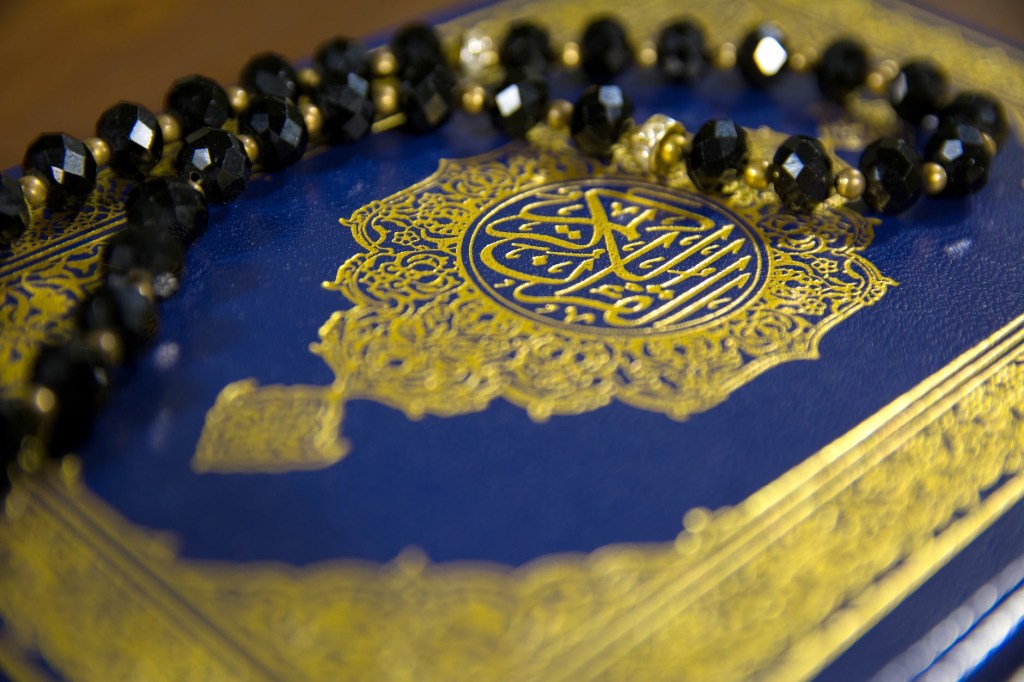
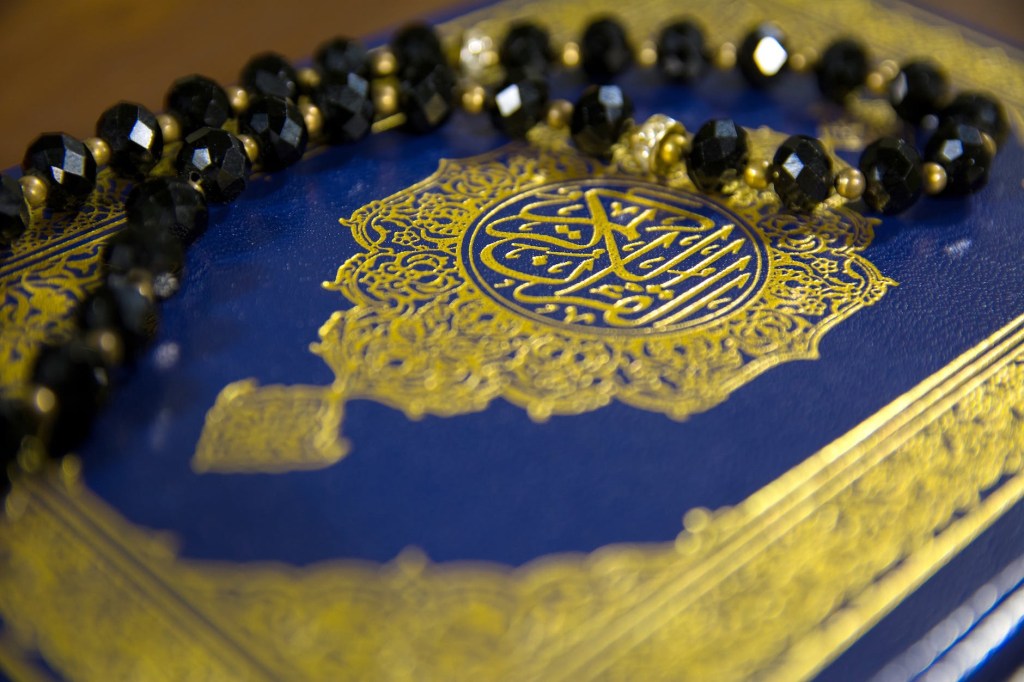
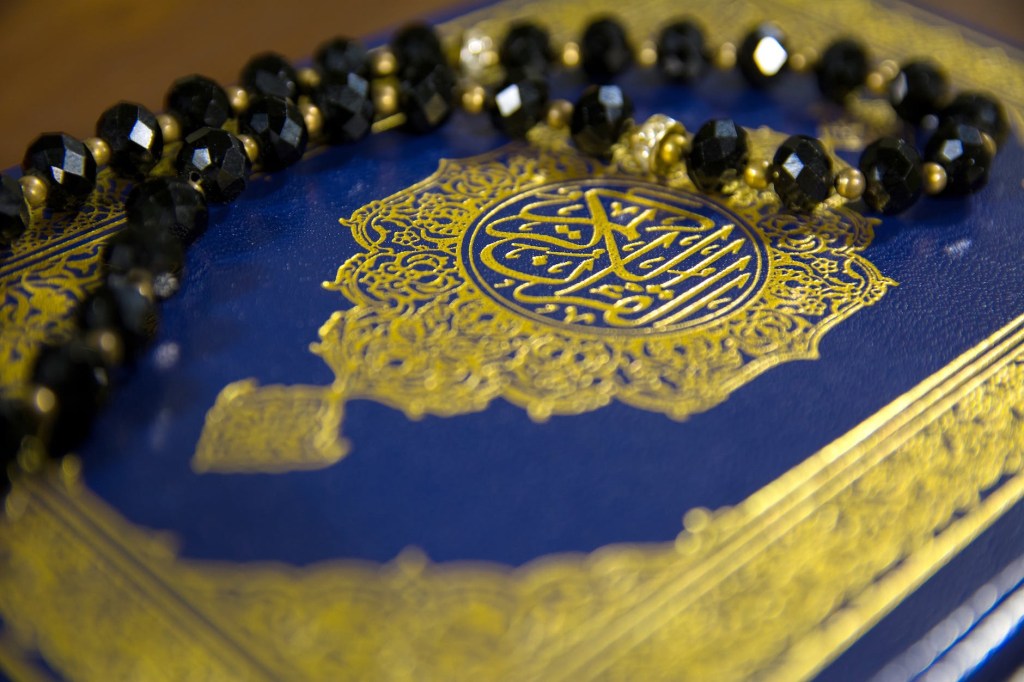
 Islamic Perspectives, Psychoanalytic Understanding