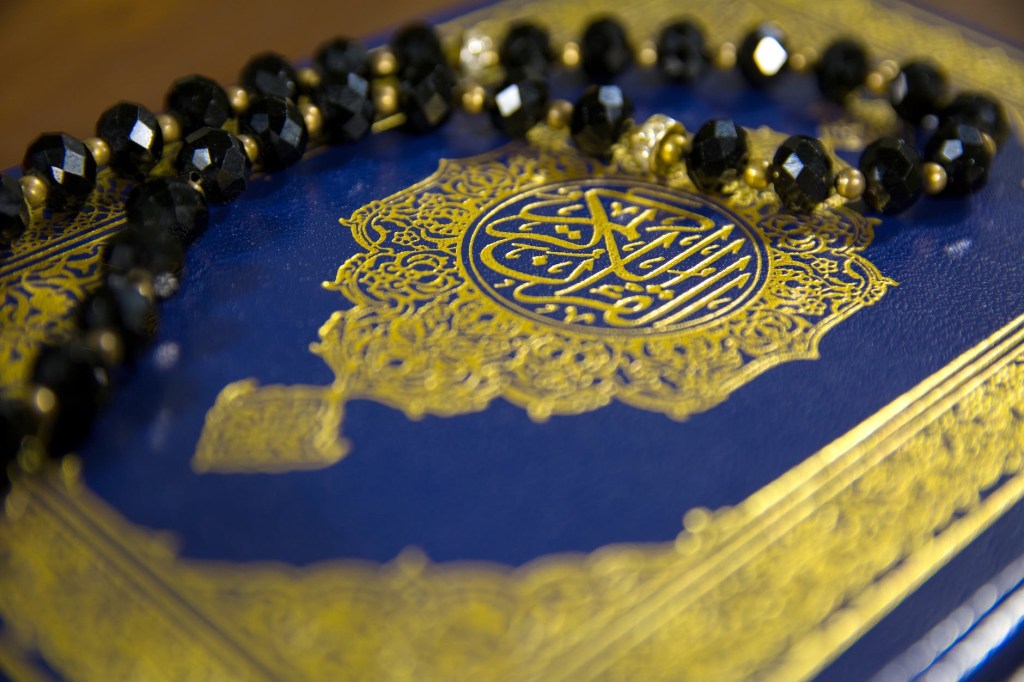
Reading the therapeutic contract in the Quran
Day # 14
On developing object constancy
The second point I raised in the previous post related to object constancy. We see in the previous verses and the ones that follow, a series of examples of prophet Moses’ followers asking for proof after proof of God, being granted their requests and still refusing to submit to his will. This incapacity to develop an emotional permanence and a constant mindfulness of God despite receiving concrete proofs reminded me of the concept of Object constancy.
In object relations theory, the ability of an infant to maintain an attachment that is relatively independent of gratification or frustration, based on a cognitive capacity to conceive of a mother who exists when she is out of sight and who has positive attributes when she is unsatisfying. Thus, an infant becomes attached to the mother herself rather than to her tension-reducing ministrations; she comes to exist continuously for the infant and not only during instances of need satisfaction. This investment by an infant in a specific libidinal object indicates that he or she no longer finds people to be interchangeable.
(APA definition https://dictionary.apa.org/object-constancy)
There are many verses in the Qur’an that invite us to remember our relationship and bond with God. This demand to remember always puzzled me. Did we know God before we knew ourselves? But there is something in the story of creation that we relive in the process of gestation, birth, and mothering experience that prepares our mind to understand a deeper need to know the Object to whom we subject ourselves or in the language of Islam the creator to whom we are subjects.
If we replace the word mother in this definition with Lord, and infant with mankind, we can understand the real objective of mindfulness of God and faith, which could be understood as the capacity to worship God because He is worthy of worship, not just for what He bestows on us in terms of graces or how He tests us to bring us back to the right path. That is the worship of free men to their Lord. It is then logical that God can only be invisible in his essence, visible through his signs, for us to ponder and make our way back to him, because if He were visible we would not have the free will to believe. But in understanding that he is there even in absence is the true work of faith, and it is not the work of magical believe but that of a mindful cognitive knowing of the ultimate source of goodness.
It is an emphasis on separateness, and perhaps the many requests for proof are a way to feel in control of the internalised object rather to accept submission.
In Islam this capacity for discernment is attributed to the heart, in a symbolic reference to the psychic organ that pumps blood and keeps the body alive, it also pumps life into our soul through discernment and acquisition of knowledge. Verse 72 of Surat Al-Baqara refers to the problem of disbelieve or transgressions against God as located in the hardened hearts.
So one can think of this symbolic heart as the reference of the psyche-soma. But what do we mean by that?
TBC…
Surat Al-Baqara
2:60 Remember when Moses prayed for water for his people and We said to him, ‘Strike the rock with your staff.’ Twelve springs gushed out, and each group knew its drinking place. ‘Eat and drink the sustenance God has provided and do not cause corruption in the land.’
2:61 Remember when you said, ‘Moses, we cannot bear to eat only one kind of food, so pray to your Lord to bring out for us some of the earth’s produce, its herbs and cucumbers, its garlic, lentils, and onions.’ He said, ‘Would you exchange better for worse? Go to Egypt and there you will find what you have asked for.’ They were struck with humiliation and wretchedness, and they incurred the wrath of God because they persistently rejected His messages and killed prophets contrary to all that is right. All this was because they disobeyed and were lawbreakers
2:62 The [Muslim] believers, the Jews, the Christians, and the Sabians- all those who believe in God and the Last Day and do good- will have their rewards with their Lord. No fear for them, nor will they grieve
2:63 Remember when We took your pledge, and made the mountain tower high above you, and said, ‘Hold fast to what We have given you and bear its contents in mind, so that you may be conscious of God.’
2:64 Even after that you turned away. Had it not been for God’s favour and mercy on you, you would certainly have been lost
2:65 You know about those of you who broke the Sabbath, and so We said to them, ‘Be like apes! Be outcasts!’
2:66 We made this an example to those people who were there at the time and to those who came after them, and a lesson to all who are mindful of God
2:67 Remember when Moses said to his people, ‘God commands you to sacrifice a cow.’ They said, ‘Are you making fun of us?’ He answered, ‘God forbid that I should be so ignorant.’
2:68 They said, ‘Call on your Lord for us, to show us what sort of cow it should be.’ He answered, ‘God says it should be neither too old nor too young, but in between, so do as you are commanded.’
2:69 They said, ‘Call on your Lord for us, to show us what colour it should be.’ He answered, ‘God says it should be a bright yellow cow, pleasing to the eye.’
2:70 They said, ‘Call on your Lord for us, to show us [exactly] what it is: all cows are more or less alike to us. With God’s will, we shall be guided.’
2:71 He replied, ‘It is a perfect and unblemished cow, not trained to till the earth or water the fields.’ They said, ‘Now you have brought the truth,’ and so they slaughtered it, though they almost failed to do so
2:72 Then, when you [Israelites] killed someone and started to blame one another- although God was to bring what you had concealed to light
2:73 We said, ‘Strike the [body] with a part of [the cow]’: thus God brings the dead to life and shows His signs so that you may understand
2:74 Even after that, your hearts became as hard as rocks, or even harder, for there are rocks from which streams spring out, and some from which water comes when they split open, and others which fall down in awe of God: He is not unaware of what you do
2:75 So can you [believers] hope that such people will believe you, when some of them used to hear the words of God and then deliberately twist them, even when they understood them
Next reflection
Previous reflection
https://psychobableblog.wordpress.com/2023/04/04/ramadan-reflections-psychoanalytic-perspectives-5/


Leave a comment